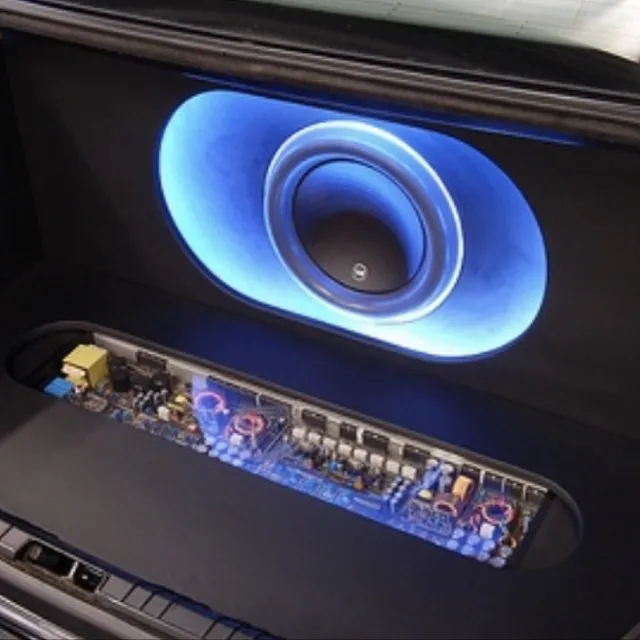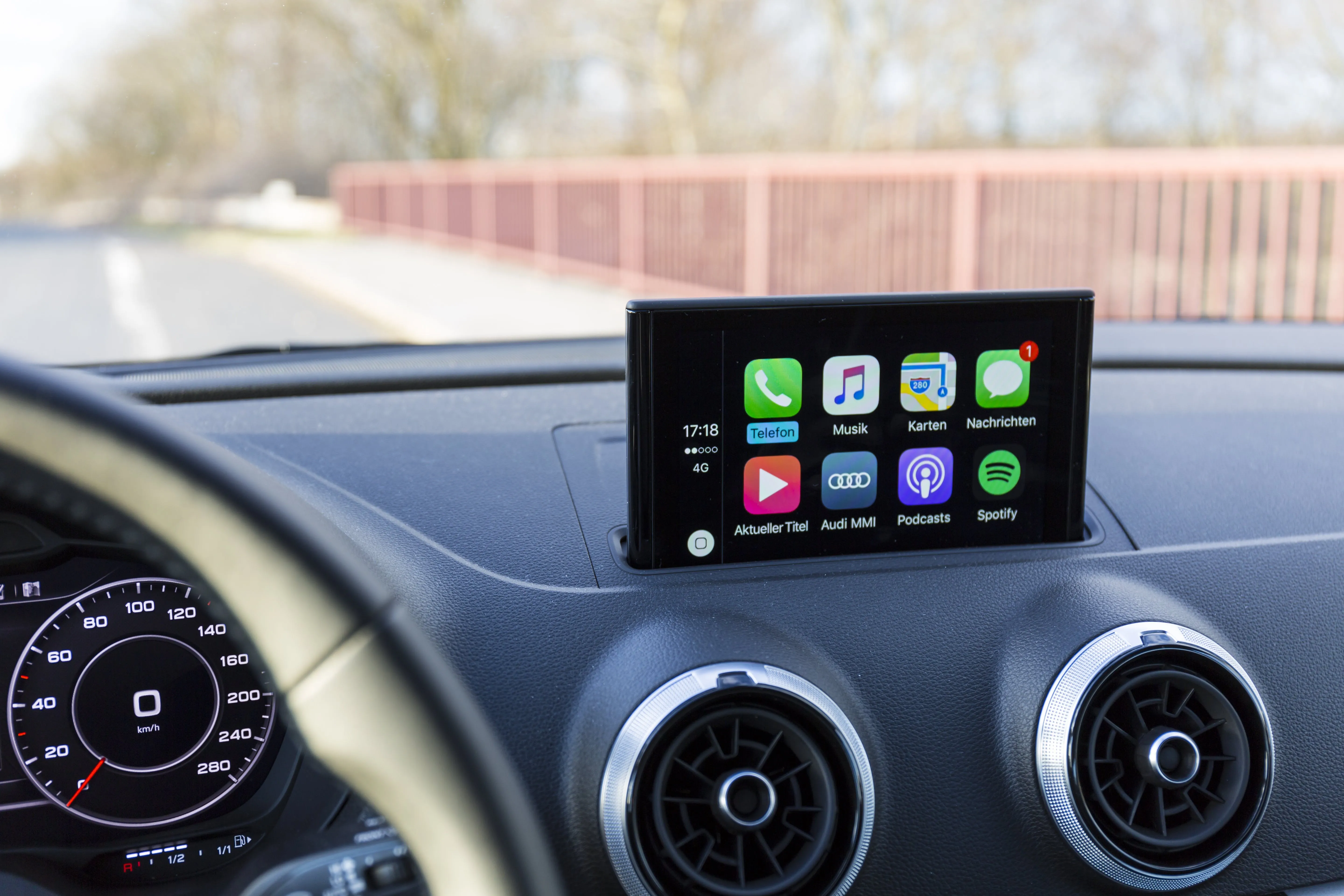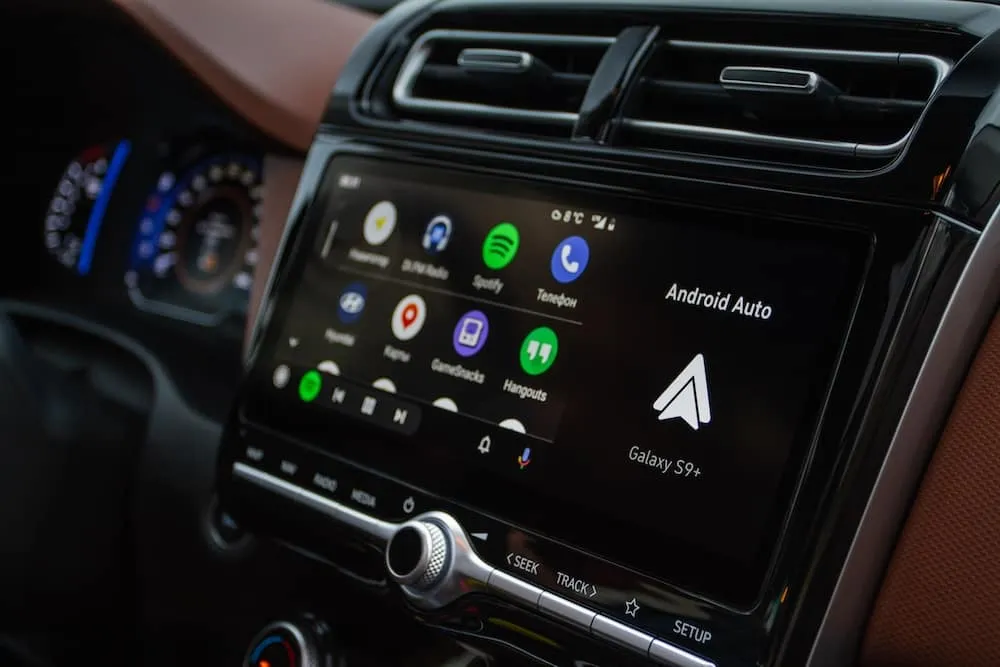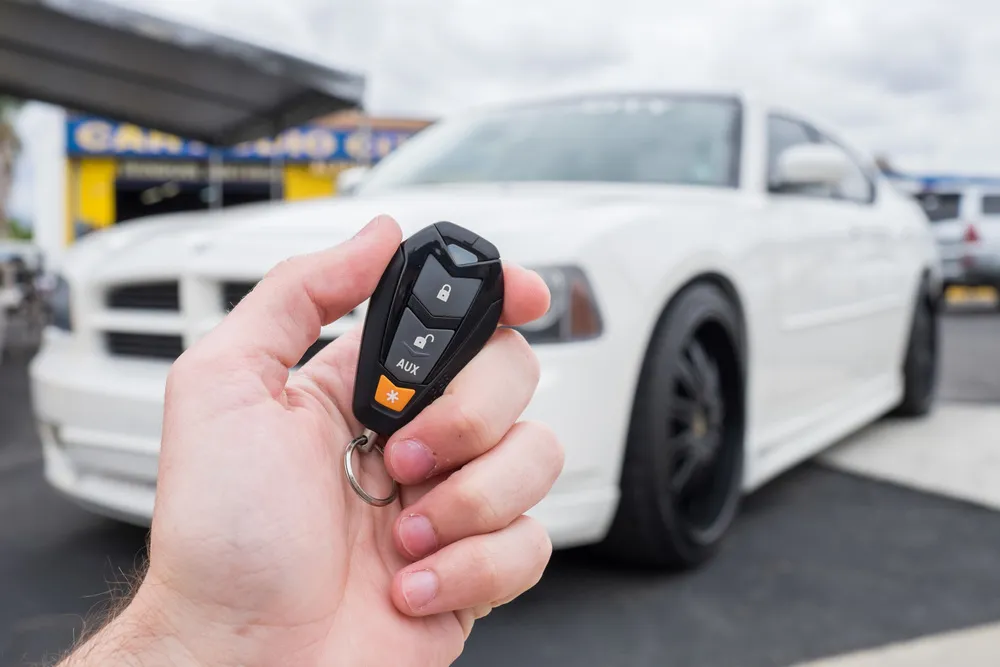



Looking for the best car audio installation in Montclair, CA? Discover expert tips, top brands, and why Audio Vision is the go-to destination for high-quality car sound systems.
Product Brand: Audio Vision
Product Currency: USD
Product Price: 299
Product In-Stock: InStock
Are LED headlights legal in California? Yes, LED headlamps can be legal, but the answer depends on the headlamp system, the equipment’s compliance with applicable lighting rules, the emitted color, mounting, aiming, and whether an aftermarket change alters a lamp that was designed for another type of light source.
That last point causes much of the confusion.
A vehicle that came from the manufacturer with a compliant LED headlamp assembly is very different from a vehicle that originally used a halogen replaceable bulb and later received an LED bulb inserted into the same housing.
The California Highway Patrol and the National Highway Traffic Safety Administration both address headlamp requirements. Federal Motor Vehicle Safety Standard No. 108 also sets requirements for new and replacement vehicle lighting equipment.
Audio Vision provides car LED lighting service and LED and HID lighting service in Montclair, CA.
If you are asking are LED headlights legal in California, this guide explains where factory LED headlamps, replacement assemblies, bulb swaps, color, brightness, mounting height, and DOT markings fit into the rules.
Are LED headlights legal in California? They can be.
LED technology itself is not banned.
The California Highway Patrol’s current regulated-device guidance explains that compliant headlamp systems bear the DOT marking and that headlamps must emit white light.
CHP also acknowledges newer headlamps that may appear to have a slight blue tinge from some viewing angles. CHP states that lamps meeting federal requirements, as shown by the DOT marking, are lawful when the projected headlamp light meets the applicable white-light requirement.
Read the California Highway Patrol Regulated Devices guidance.
Federal rules add another layer.
NHTSA says LED light sources can be used in an integral-beam headlamp when the complete headlamp meets Federal Motor Vehicle Safety Standard No. 108.

The problem usually begins when someone takes a headlamp designed around a replaceable halogen bulb and installs an aftermarket LED bulb in its place.
Those are not the same type of headlamp.
Understanding this distinction answers many questions about whether LED headlights are legal in California.
In an integral LED headlamp, the LED source, reflector, lens, and related optical parts are designed as a complete lamp.
The manufacturer designs the system so the finished beam meets federal lighting requirements.
Many newer vehicles use this type of headlamp.
This system uses a headlamp housing designed around a particular replaceable light source.
The bulb position, filament geometry, reflector, and lens work together to produce the intended beam.
This is where federal compliance becomes a problem.
NHTSA issued a written interpretation on February 13, 2024 addressing LED headlamps.
The agency said LED technology may be used in a compliant integral-beam headlamp. It also stated that, as of that interpretation, no LED replaceable light source was permitted for use in a replaceable-bulb headlamp under FMVSS No. 108.
Read the NHTSA LED headlamp interpretation.
Federal Motor Vehicle Safety Standard No. 108 covers lamps, reflective devices, and related vehicle lighting equipment.
NHTSA states that the standard applies to original and replacement lamps.
For integral-beam LED systems, the complete headlamp has to satisfy applicable requirements.
These requirements address matters such as:
You can read the current rule in 49 CFR § 571.108.
The big lesson for motorists is simple.
A headlamp should be evaluated as an optical system.
The fact that an LED bulb fits into an existing socket does not prove that the resulting headlamp complies.
A halogen headlamp reflector was designed around the position and shape of the intended filament.
An LED retrofit bulb can place its light-producing elements differently.
Even a small change in source position can alter how light leaves the reflector or projector.
The result may place too much light in areas where it was not intended or too little light where the lamp needs it.
This helps explain why a bulb that appears brighter from outside the vehicle is not automatically a better headlamp.
Brightness at the source is only one piece of the equation.
The completed headlamp needs to put light in the correct places.
When asking are LED headlights legal in California, do not base the answer on whether a replacement bulb physically fits your socket.
Check what the complete lamp was designed and certified to use.
CHP instructs officers to look for the DOT marking when checking headlamp systems and states that headlamp systems must bear that marking.
There is an extra detail motorists should understand.
The phrase “DOT approved” is commonly used in online product listings, but federal vehicle equipment does not go through a simple government approval process where DOT tests and endorses every lamp before sale.
NHTSA explains that manufacturers are responsible for certifying that covered equipment conforms to applicable federal motor vehicle safety standards.
A DOT marking is tied to that certification framework.
It should not be read as a personal product endorsement from the government.
When shopping for a complete replacement headlamp, look for equipment intended for the exact vehicle application and made to meet the applicable lighting requirements.
California Vehicle Code Section 25950 addresses vehicle lamp colors.
The current statute states that light visible from the front of a vehicle generally must be white or yellow, subject to listed exceptions.
Headlamps face a narrower federal requirement.
CHP’s headlamp guidance says headlamps must emit white light and states that amber or other colors are not acceptable for the headlamp beam.
You can read California Vehicle Code Section 25950.
This is one reason colored aftermarket headlight bulbs can create trouble.
A purple, green, red, or clearly blue projected headlamp beam should not be treated the same as a compliant white LED headlamp that happens to show a slight bluish appearance when viewed from an angle.
A true blue projected headlamp beam is not the same as a white compliant headlamp.
CHP says headlamps must emit white light.
Its current guidance also acknowledges that some compliant newer headlamps can seem slightly blue when viewed from certain angles. CHP says those lamps can be lawful when they meet federal requirements and carry the required marking.
So when someone asks, “Are blue LED headlights legal in California?” the useful question is what color the headlamp actually projects.
A compliant white headlamp may have a cool appearance.
A lamp intentionally projecting blue light is another matter.
If you are considering a lighting change mainly because you want a colored look, talk with an installer about what can be used without turning the required headlamp beam into a noncompliant color.
Yes, headlamp output is regulated.
CHP states that minimum and maximum headlamp luminous intensity is governed by federal motor vehicle lighting rules.
Its enforcement guidance also warns about replacement bulbs with electrical power and light output above permitted federal levels.
CHP says headlamps and replacement bulbs exceeding applicable FMVSS limits are unlawful.
This means “brighter” should not be the only goal when choosing lighting.
An extremely bright lamp can create glare without improving the beam where the motorist needs it.
What this means is that proper lighting involves controlled output rather than simply producing the largest lumen number on a product page.
A headlamp does two jobs at once.
It needs to illuminate the roadway, signs, objects, and hazards ahead while limiting glare toward other road users.
The reflector or projector, lens, light source, mounting position, and aiming all affect that pattern.
This is why replacing a halogen bulb with an LED source can create a different result even if both bulbs fit the same opening.
The lamp housing was designed around a particular light source.
Moving the brightest part of that source can change where the reflector sends the light.
A complete LED headlamp assembly made for the vehicle takes another approach. The LED source and optical system are designed together.
That distinction should be part of any conversation about are LED headlights legal in California.
California also regulates where headlamps are mounted.
California Vehicle Code Section 24400 requires passenger motor vehicles covered by the section to have at least two headlamps, with at least one on each side of the front.
The law places headlamp light sources between 22 inches and 54 inches in height.
This can matter when a truck or SUV has had suspension changes.
CHP’s enforcement guidance repeats the 22-to-54-inch range and explains how the headlamp height rule is applied.
If your lighting project is paired with a lift or lowering kit, headlamp placement and aim deserve attention after the suspension work.
Yes.
A legal headlamp still needs to be aimed correctly.
CHP states that headlamp aiming requirements are contained in Title 13 of the California Code of Regulations.
A lamp that points too high can send light toward approaching motorists.
A lamp aimed too low can shorten useful visibility.
Aim can change after:
This is another reason a lighting project should not stop at “the lights turn on.”
After installation, beam position should be checked.
A compliant replacement LED headlamp assembly can be a much different proposition from an LED bulb inserted into a halogen housing.
CHP’s current guidance says headlamp systems bearing the required DOT marking are lawful and systems without that marking are unlawful.
NHTSA also allows LED light sources in integral-beam headlamps when the finished lamp meets the applicable FMVSS No. 108 requirements.
That can make a complete compliant assembly the cleaner route for some older vehicles.
Fitment still matters.
The assembly needs to suit the vehicle and mounting arrangement.
If you are considering a complete LED conversion, Audio Vision can discuss car LED lighting rather than assuming a bulb-only swap is the right approach.
You may physically be able to.
That does not mean the resulting headlamp meets the road-use requirements.
NHTSA’s February 2024 interpretation is especially relevant here.
The agency stated that no LED replaceable light source was then permitted under FMVSS No. 108 for use in a replaceable-bulb headlamp.
NHTSA also said nonconforming LED replacement light sources are sold online despite not meeting FMVSS No. 108.
California has its own equipment rules on top of that federal framework.
California Vehicle Code Section 26101 says a person may not use or operate a vehicle on a highway with a device intended to modify the original design or performance of lighting equipment unless that modifying device complies with the applicable requirements of Section 26104.
Read California Vehicle Code Sections 26100 through 26104.
So the safer answer to “Can I put an LED bulb in my original halogen headlamp?” is not simply yes because the socket matches.
Compliance of the resulting lighting equipment matters.
Online availability does not establish street legality.
NHTSA directly addresses this problem in its LED headlamp interpretation, noting that nonconforming LED replacement light sources may still be available for purchase.
A product page may use language such as:
None of those phrases by themselves show that the resulting headlamp meets the applicable road-lighting requirements.
Before buying, check whether you are purchasing:
That difference is much more useful than marketing claims about raw brightness.
California Vehicle Code Section 24003 prohibits the sale, installation, or replacement of vehicle lighting equipment that does not conform to the code or regulations.
Section 26100 addresses the sale and use of lighting equipment that fails applicable requirements.
Section 26101 addresses devices intended to modify the original design or performance of lighting equipment.
Section 26103 also says that when a federal motor vehicle safety standard covers the same aspect of equipment performance, the federal standard prevails over conflicting state provisions.
Together, these rules explain why the question are LED headlights legal in California cannot be answered by looking only at the bulb technology.
The lamp’s certification, design, color, output, mounting, and use all matter.
Before changing your headlights, gather the vehicle information first.
Have ready:
Then determine what you actually want to fix.
Are the current lenses cloudy?
Is one lamp damaged?
Are the headlamps aimed poorly?
Do you want a complete LED assembly?
Are you trying to improve nighttime visibility?
Do you want a different appearance?
The real question is whether the proposed equipment suits the existing headlamp system and applicable road-use rules.
Audio Vision also provides car HIDs and LED/HID lighting service for motorists comparing vehicle-lighting options.
Audio Vision provides vehicle-lighting service at 5521 Holt Blvd, Montclair, CA 91763.
Motorists visit from Montclair, CA and nearby Ontario, CA and Rancho Cucamonga, CA for vehicle lighting and mobile electronics work.
One vehicle may already use factory LEDs and need replacement lighting equipment.
Another may have halogen headlamps and an owner considering a complete replacement assembly.
A truck with suspension changes may need its headlamp height and aim considered as part of the project.
Another vehicle may already have an aftermarket conversion that produces a poor beam or uneven light.
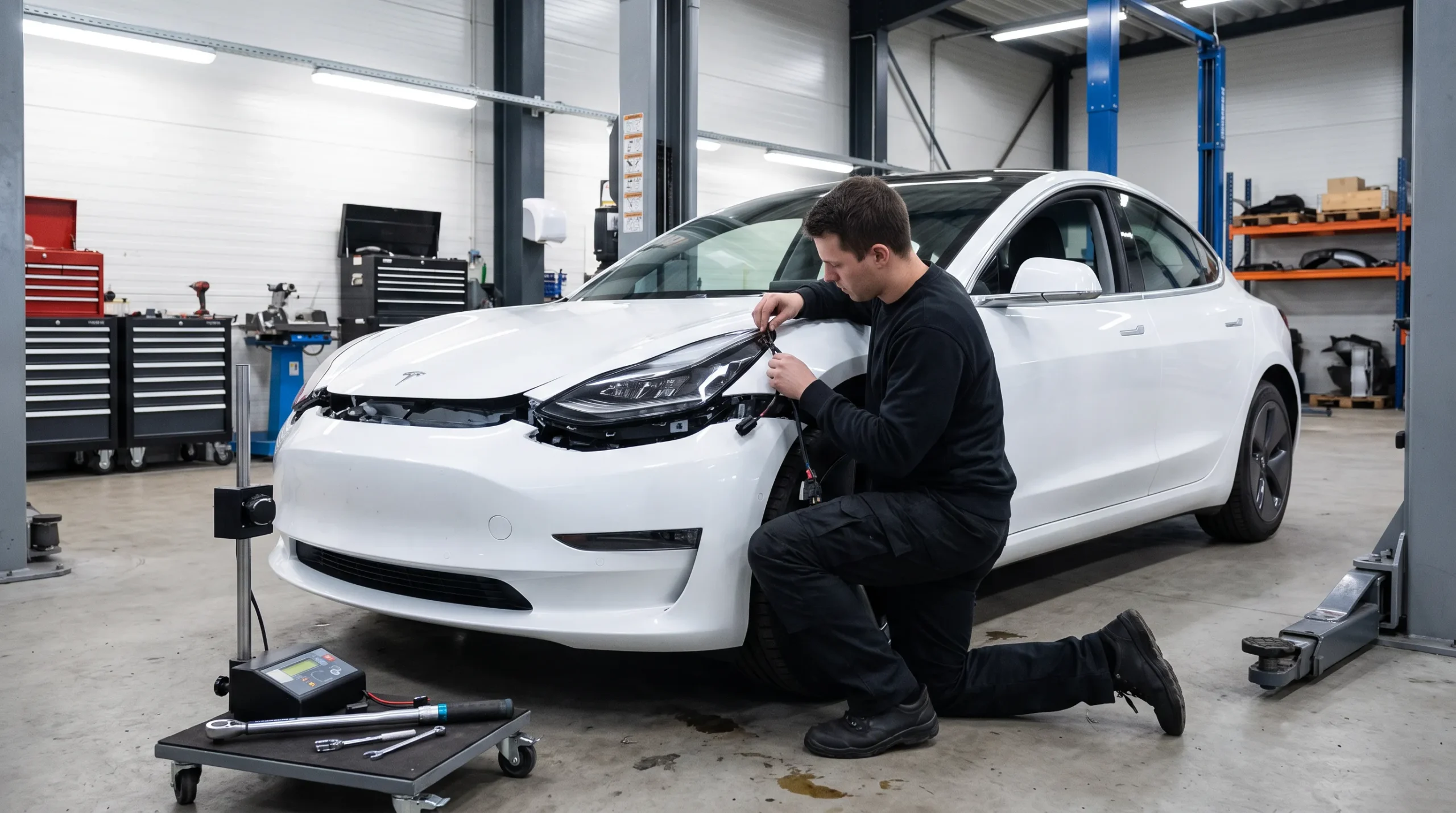
Instead of buying a bulb based only on an online brightness claim, discuss the vehicle, factory headlamp design, and intended equipment before installation.
If you are asking are LED headlights legal in California because you are planning an upgrade, start with the exact vehicle and existing headlamp system.
Bring or provide:
Audio Vision can discuss the installation side of the project and help you determine what type of lighting equipment fits the vehicle.
For legal questions about a particular product, consult current California law, CHP guidance, and the equipment manufacturer’s compliance information.
Audio Vision
5521 Holt Blvd
Montclair, CA 91763
Phone: (909) 983-4500
Hours: Monday through Sunday, 9 a.m. to 7 p.m.
Call (909) 983-4500 or contact Audio Vision online to discuss your vehicle and headlight installation.
Yes, compliant LED headlamp systems can be legal in California. LED technology itself is not prohibited. The headlamp still has to meet applicable equipment, color, output, mounting, and other requirements.
Factory LED headlamps built and certified to applicable federal standards are lawful when the vehicle and equipment meet California requirements. CHP tells officers to look for the DOT marking on headlamp systems.
Physical fit does not establish compliance. NHTSA stated in its February 13, 2024 interpretation that no LED replaceable light source was then permitted under FMVSS No. 108 for a replaceable-bulb headlamp. Check the exact equipment and current rules before installing a halogen-to-LED bulb conversion for highway use.
CHP says headlamps must project white light. Some compliant white headlamps can appear slightly blue from certain angles, but an intentionally blue projected headlamp beam should not be treated as the same thing.
No. NHTSA uses a manufacturer self-certification system for covered motor vehicle equipment. The DOT marking is tied to certification that the equipment conforms to applicable federal standards. It is not the same as a government endorsement of a product.
California Vehicle Code Section 24400 places headlamp light sources between 22 and 54 inches in height on vehicles covered by the section. This can matter after suspension or vehicle-height changes.
Audio Vision provides car LED lighting, car HID lighting, and LED/HID services at 5521 Holt Blvd, Montclair, CA 91763. Call (909) 983-4500 or use the Audio Vision contact page to discuss your vehicle.
Looking for the best car audio installation in Montclair, CA? Discover expert tips, top brands, and why Audio Vision is the go-to destination for high-quality car sound systems.
Product Brand: Audio Vision
Product Currency: USD
Product Price: 299
Product In-Stock: InStock

Acima, a flexible lease-to-own option that helps you get the car upgrades you love—without needing perfect credit. Whether you’re looking for car audio, video, security systems, window tint, wheels, auto lighting, or accessories, Acima makes it easy with no credit needed and convenient payment options. Get what you want today and pay over time, hassle-free!

Snap Finance is here to help you get the car audio, video, security, window tint, wheels, lighting, and accessories you need today. With Snap Finance, you can shop now and pay later, thanks to their flexible payment plans that consider more than just your credit score. Applying is fast and easy, and you’ll receive a decision in seconds. Take advantage of stress-free payment options that fit your payday schedule, so you can upgrade your ride without the wait!
Explore the many services we offer by clicking the boxes below


|
|
|
|
|
|
|
|
|
|
|
|
|
|
|
|
Are LED Headlights Legal in California? What Motorists Need to Know
|
Are LED Headlights Legal in California? What Motorists Need to Know
|
Are LED Headlights Legal in California? What Motorists Need to Know
|
Are LED Headlights Legal in California? What Motorists Need to Know
|
|
|
|
|
|
|
|
|
|
|
|
|
|
|
|
|
|
|
|
|
|
|
|
|
|
|